Everybody's Gone to the Rapture | Review
A beautiful, heart-wrenching story about the mysterious disappearance of an entire village's population.
« Back
A few days ago, I found myself sitting on a train on my way back home, listening to a newly discovered track that was recommended to me by Spotify, titled "Finding the Pattern" by Jessica Curry.
It's an incredibly beautiful track, and eventually I began listening to the entire album this piece was from, titled Everybody's Gone to the Rapture. As it was labeled as an official soundtrack, I got curious, asking myself what media this beautiful, beautiful OST belonged to, expecting it to be a movie or a show.
As it turns out, Everybody's Gone to the Rapture is a 2015 video game, developed by The Chinese Room and published by Sony Computer Entertainment. As I really fell in love with its score and found myself having more time than usual thanks to the holidays, I decided to give the game a try, marking my first experience with this genre.
Although I'm not fully convinced by the game as a whole, its story certainly left me thinking, and I decided to write down this review. To avoid spoiling any of its plot, I'm going to keep the story's overview fairly sparse. I feel like this is a game that truly plays best when not knowing anything about its events and subsequent course (though this can be said about every game, really).
Quick Facts
Developer: The Chinese Room
Publisher: Sony Computer Entertainment
Release: 11 August 2015
Platforms: Windows, PlayStation 4
Genre: Adventure, Single-Player, Walking Simulator
Steam Deck Compatibility: Playable
Story & Setting
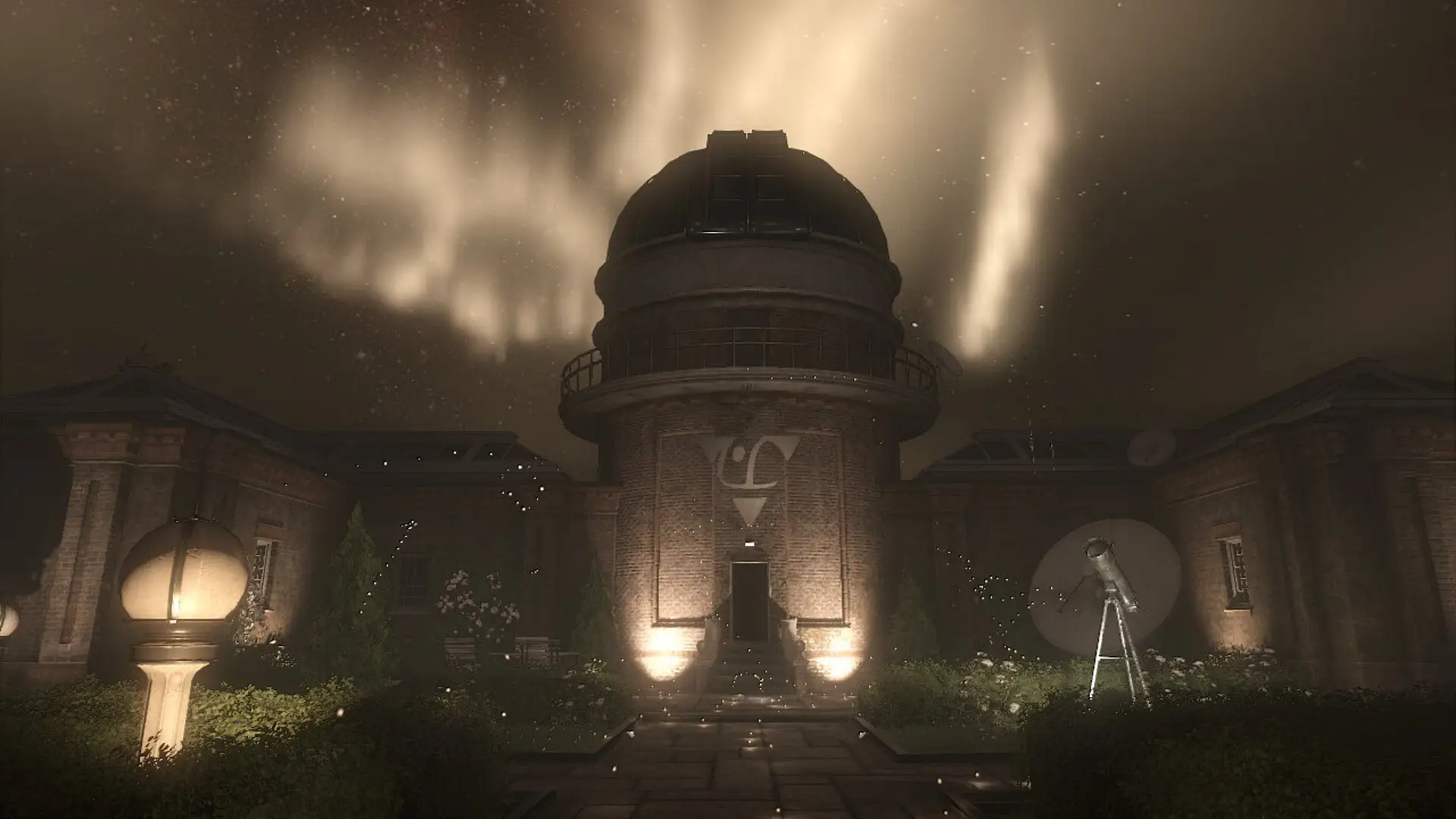
Everybody's Gone to the Rapture's story takes place in a fictional, rural English village named "Yaughton" in Shropshire, in 1984. You, the player, find yourself in front of the entrance to an observatory, with the objective of discovering how and why everybody in the village has disappeared.
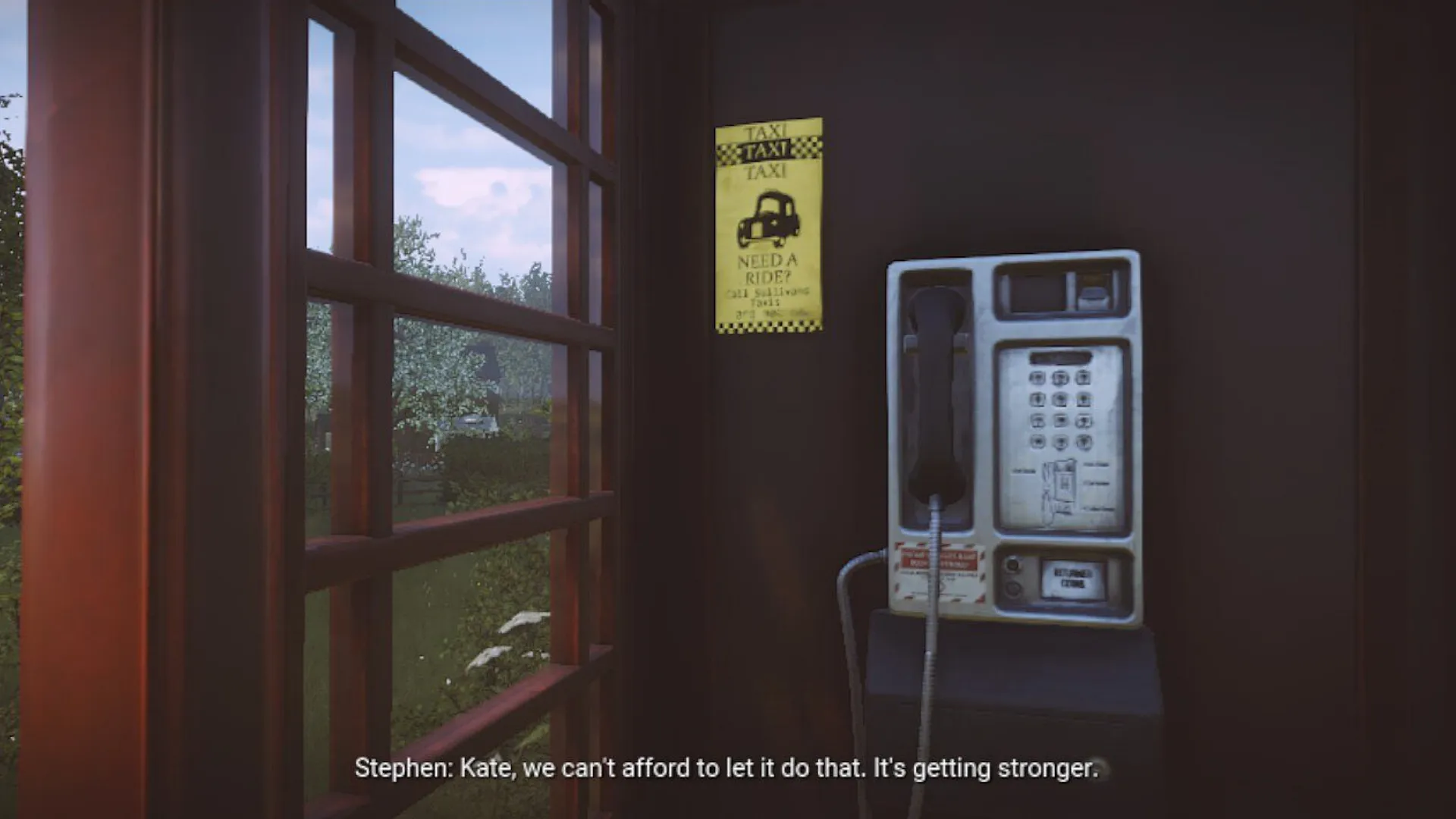
As you walk through the village, you'll discover different objects that offer hints and evidence, ranging from replayed telephone conversations and radio broadcasts to human-shaped lights reenacting past events. An 'orb of light' floating through the air serves as a guide, leading you to different scenes.
The game is made up of five areas, which can be seen as chapters, each revolving around a different character and their story. Each character's storyline offers a more detailed insight into their perspective and perception of the occurrences, their course, and the dynamics between them and other characters.
All these clues eventually provide the puzzle pieces to the game's main event, the "rapture", responsible for all the disappearances, although the ending's and event's broader meaning remains a matter of interpretation. From my perspective, the story focuses on the themes of love and loss; at least, it is a recurring matter when exploring most characters, with some tragic stories being part of the presented dynamics and their plot.
World
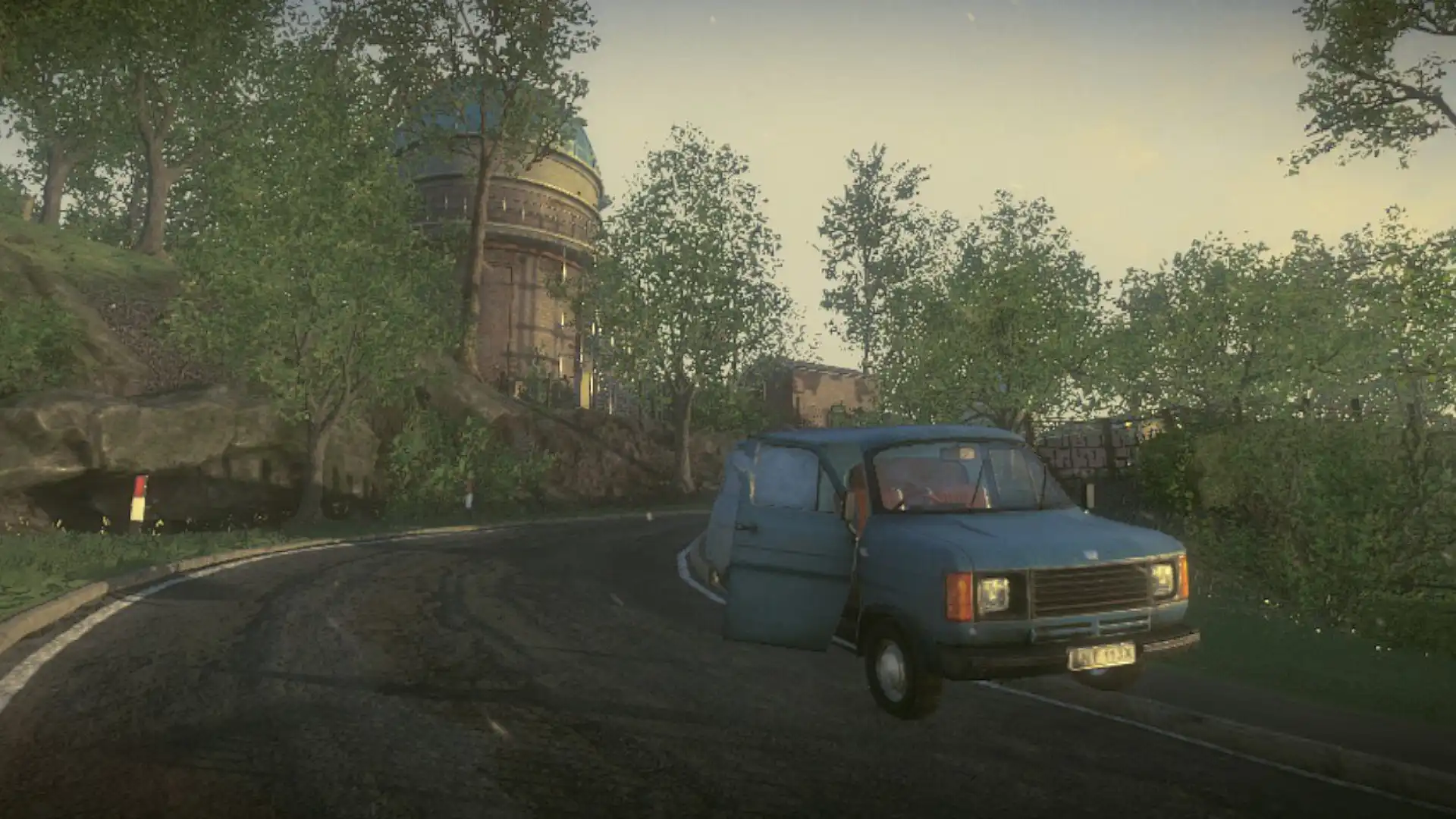
As mentioned above, the game takes place in a fictional village named "Yaughton", a rural, quiet, and serene English village, with its entire population missing. Cars are abandoned in the middle of the road, sometimes with their doors open, homes are left unlocked, dead birds are scattered across the village's streets, and even tennis rackets can be found in courtyards as if abandoned mid-game. It truly feels like the village was frozen in time ever since the population's disappearance, with all these scenes contributing to the story's mystery.
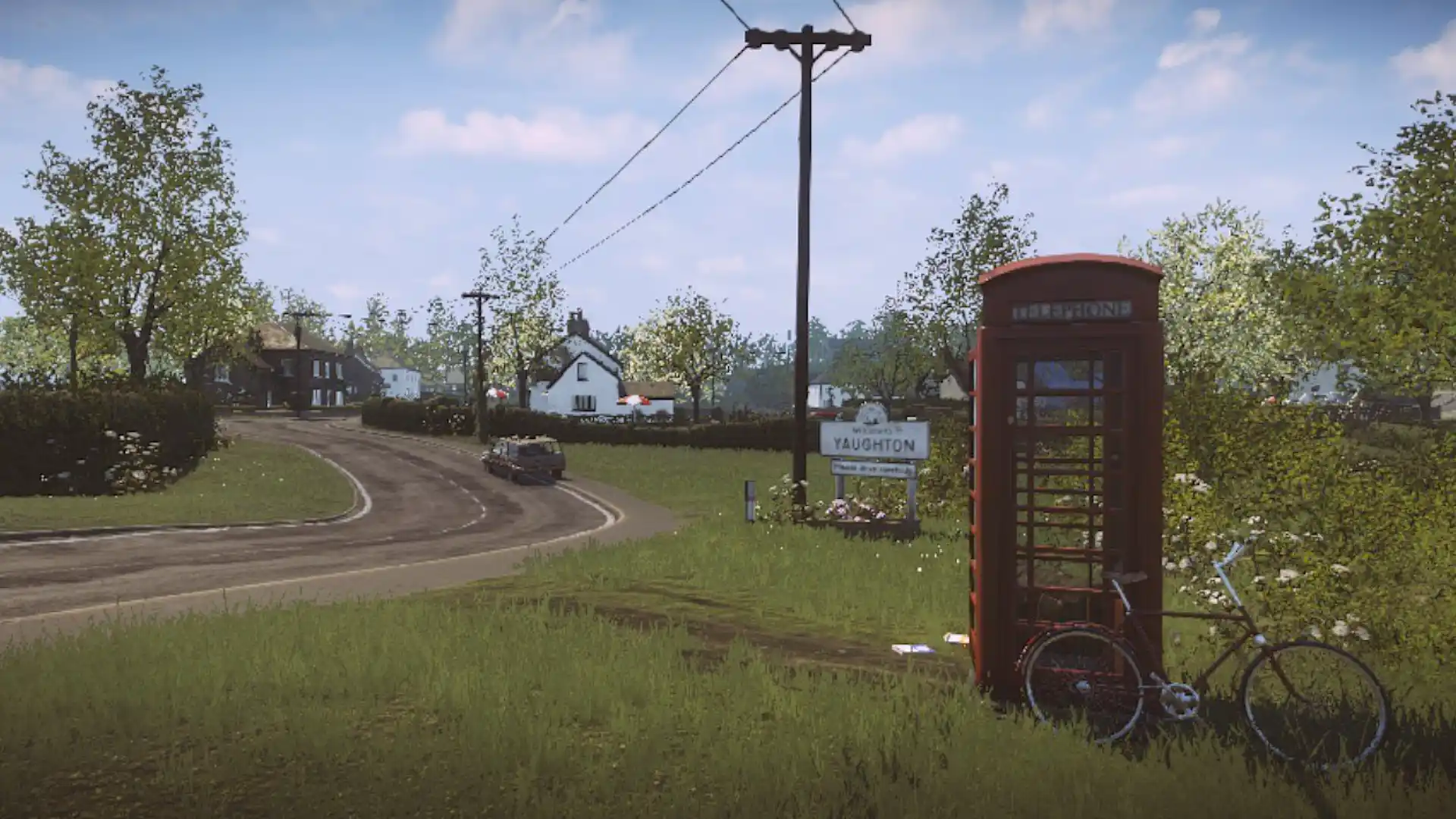
The world itself is open to be explored, with your only guide being an 'orb of light' flying around, hinting at which areas to explore next; yet, you are free to move wherever you want to go. You could even skip entire areas and go straight to the game's ending.
Characters
The story explores multiple characters, with Dr. Kate Collins and Stephen Appleton being its main characters and focus.
One of the interesting aspects of these characters is that you never actually get to see their appearances. You only ever see them speaking and interacting in the world through human-shaped lights, which depict reenactments of various conversations and interactions that occurred in the past. I also didn't discover any photographs throughout the world that would depict them.
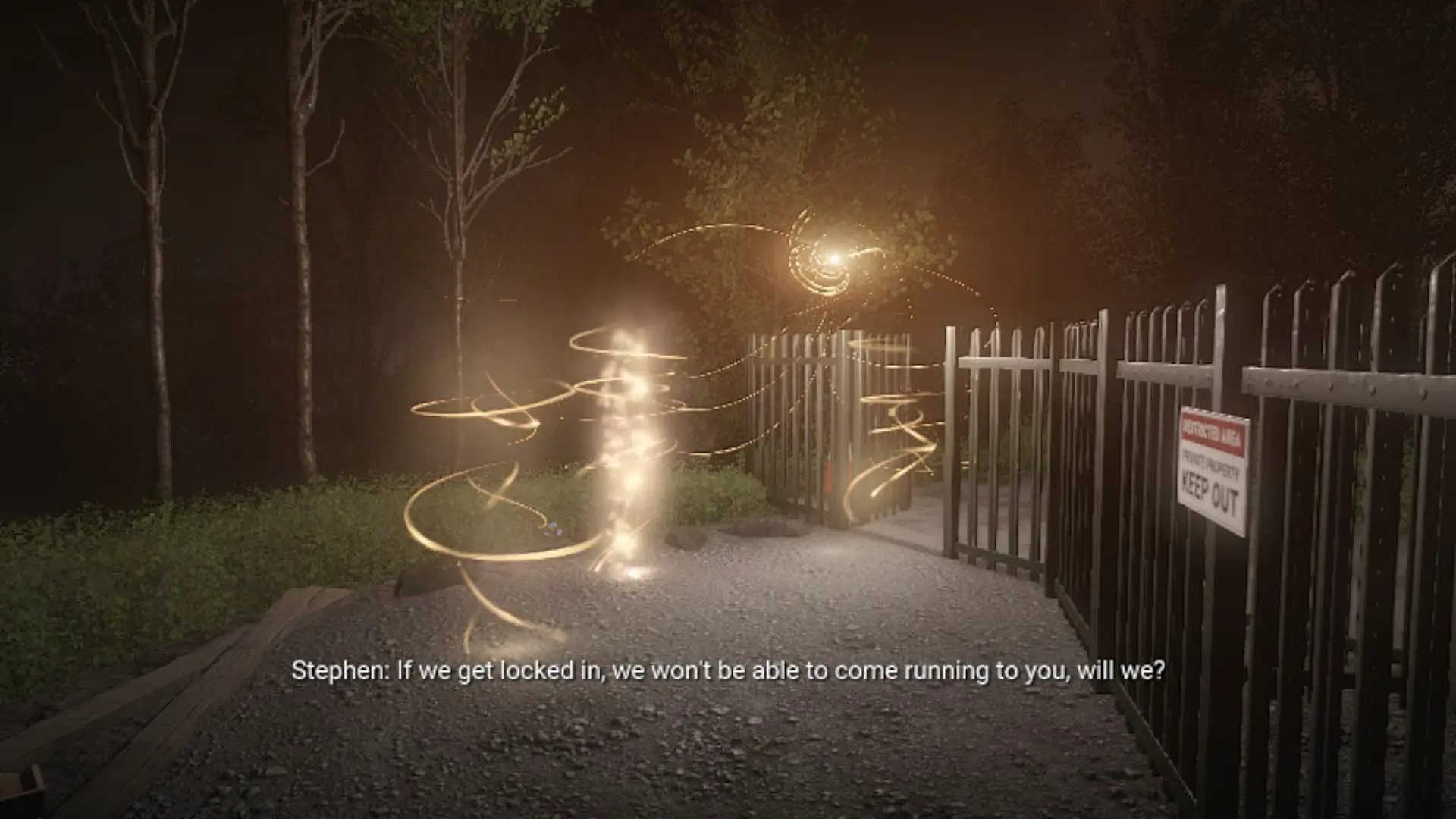
Throughout the game's course, you'll learn about the dynamics between the characters and discover their relationships to each other. Some of them may turn out to be related, lovers, having affairs, or involved in other characters' storylines and fates.
Gameplay
Core Mechanics
The gameplay is limited to walking and interacting with objects such as doors, radios, telephones, fences, power switches, and floating lights (the "pattern") revealing clues to the plot.
There is also the mentioned floating light serving as a guide, hinting at directions or places to explore.
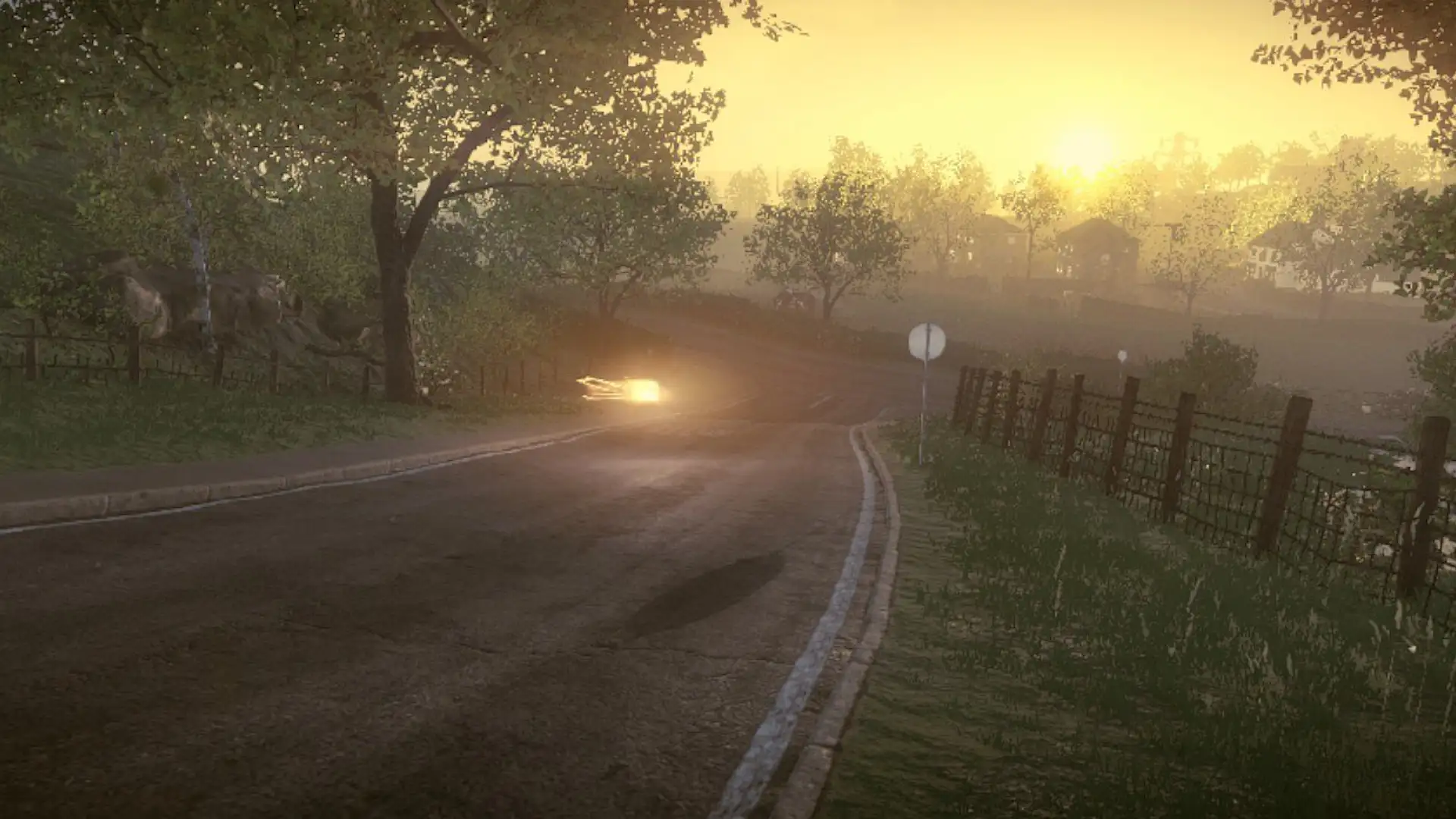
My only, but major, criticism of the game is the player's walking speed: it's painfully slow.
While it is possible to increase one's pace by holding R2 for seven seconds (which is never mentioned), it still feels much slower than the default walking speed of virtually any game I've ever played. Additionally, it's not always available, such as when inside buildings or during transitions between chapters (or characters/areas), where it almost feels like standing still. As a result, this led to a decreased willingness to explore more distant areas, simply because of the time it would take to get there, with the possibility of reaching a dead end, as not all locations offer clues to the story's plot.
I decided to explore everything I could regardless, as I didn't want to miss any clues, yet I can imagine this being a limiting factor for some.
Pacing
Due to the mentioned walking speed, the game does feel slow (literally), but I perceived the story itself as overall well-balanced in its pacing and enjoyed the 'detective work' and learning more about the events that took place in the village. It's also the shortest title I've ever played, having finished it in four hours (in one sitting), though most of this time can probably be attributed to the slow walking pace mentioned earlier.
Graphics & Art Style
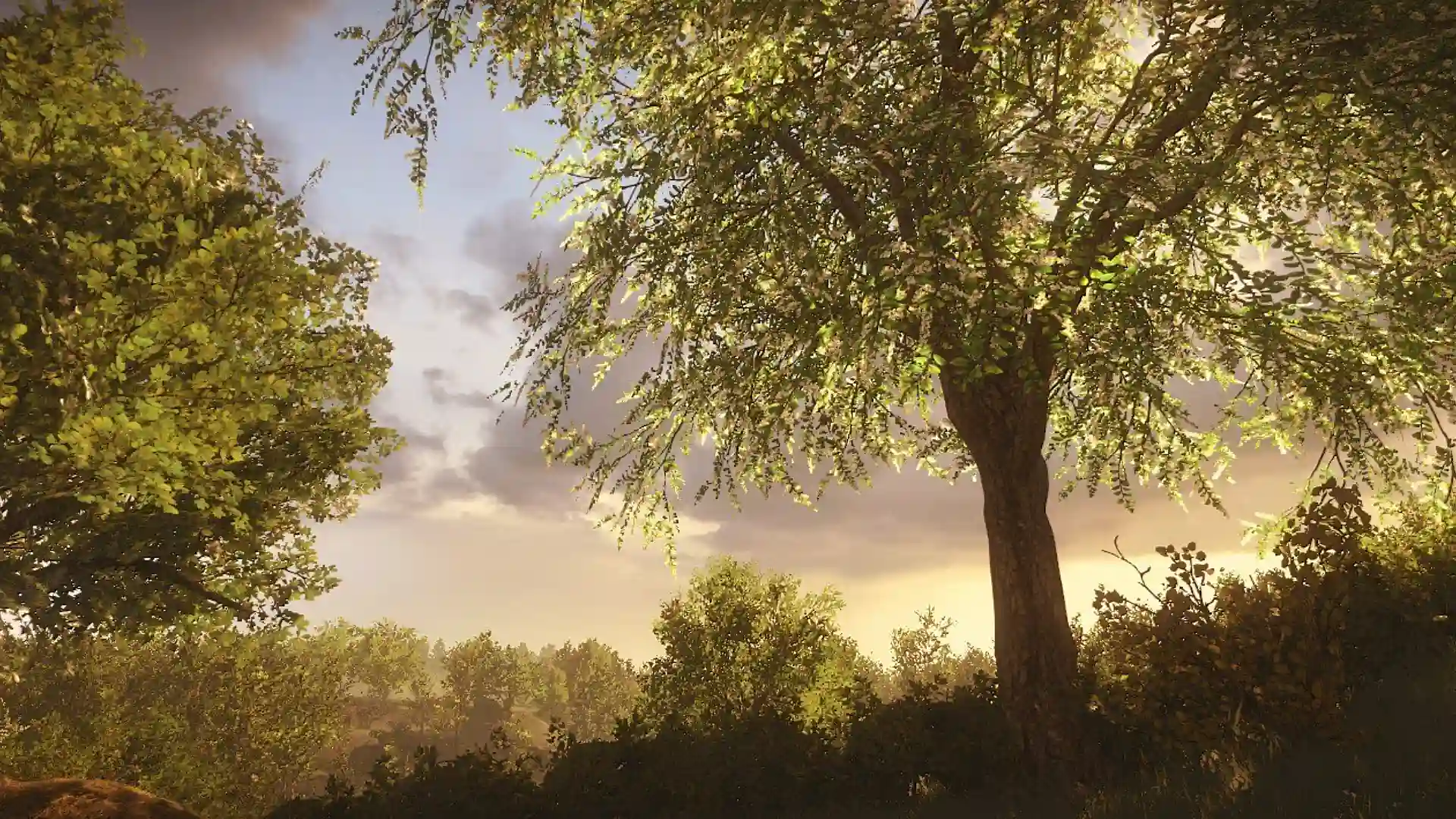
While it is clear that Everybody's Gone to the Rapture is an older title, I honestly perceive the graphics as holding up fairly okay. The world is beautifully designed and detailed, creating a mysterious atmosphere fitting to the game's plot.
Performance
As I've only played this game on my Steam Deck, I'll focus solely on its performance in the section below.
Steam Deck Compatibility
I played the entire game on my Steam Deck with no performance issues whatsoever, averaging just over 60fps. Although it's not Steam Deck verified, only being tagged as 'Playable' as of writing this review, it runs fantastically on High settings (which is set by default).
Music & Sound
As mentioned at the beginning of this review, I only discovered this game due to its incredibly beautiful soundtrack, unaware that it was from a game at first. Jessica Curry, the composer of the game's music, actually won a BAFTA award for the score; and in my opinion, rightly so. It does a fantastic job of contributing to the game's atmosphere and story, capturing the mystery and tragedies of its events.
The voice acting is also incredible, among the best I've experienced in any game I've ever played. It simply feels real and authentic, with the voice actors and actresses doing an incredible job of capturing the characters' emotions and distress in relation to the ongoing events. Although you cannot see the characters and their gestures or expressions, you can truly feel them in their voice.
Verdict
I'm still undecided on how to rate this game. While I wouldn't call it a "great" game, it's definitely an interesting and thought-provoking one. However, given that the game's core objective is exploration, the slow walking speed (even with the option to "sprint") feels like a counterintuitive feature, making exploring the village feel more tedious than exciting at times. This, unfortunately, undermines the mysterious, beautiful, and tragic story, as its possible consequence of skipping certain scenes will cause you to miss details that are worth learning about. In a way, you could say, though, that you get as much as you put in.
Nevertheless, while the slow walking speed is frustrating, the game's emotional depth kept me invested throughout my playthrough. The atmosphere and narrative are strong enough for me to rate it as "7 - Good"; rating it any lower, like "6 - Fair", wouldn't feel right.
Regardless of my criticism, if you haven't played this game yet, I recommend giving it a fair try. And if you've already played it, I'd love to hear your take on its story and possible interpretations.
For those left pondering after the game's ending, I found this Reddit post to be a great resource, offering a deep dive into the story, its plot, and potential meanings, while possibly even revealing details you missed in your run. It also includes a graph explaining the relationships between the game's characters, which helped erase some of my question marks.
Lorem ipsum dolor sit amet, consectetur adipiscing elit. Suspendisse varius enim in eros elementum tristique. Duis cursus, mi quis viverra ornare, eros dolor interdum nulla, ut commodo diam libero vitae erat. Aenean faucibus nibh et justo cursus id rutrum lorem imperdiet. Nunc ut sem vitae risus tristique posuere.
Lorem ipsum dolor sit amet, consectetur adipiscing elit. Suspendisse varius enim in eros elementum tristique. Duis cursus, mi quis viverra ornare, eros dolor interdum nulla, ut commodo diam libero vitae erat. Aenean faucibus nibh et justo cursus id rutrum lorem imperdiet. Nunc ut sem vitae risus tristique posuere.